4 June 2022
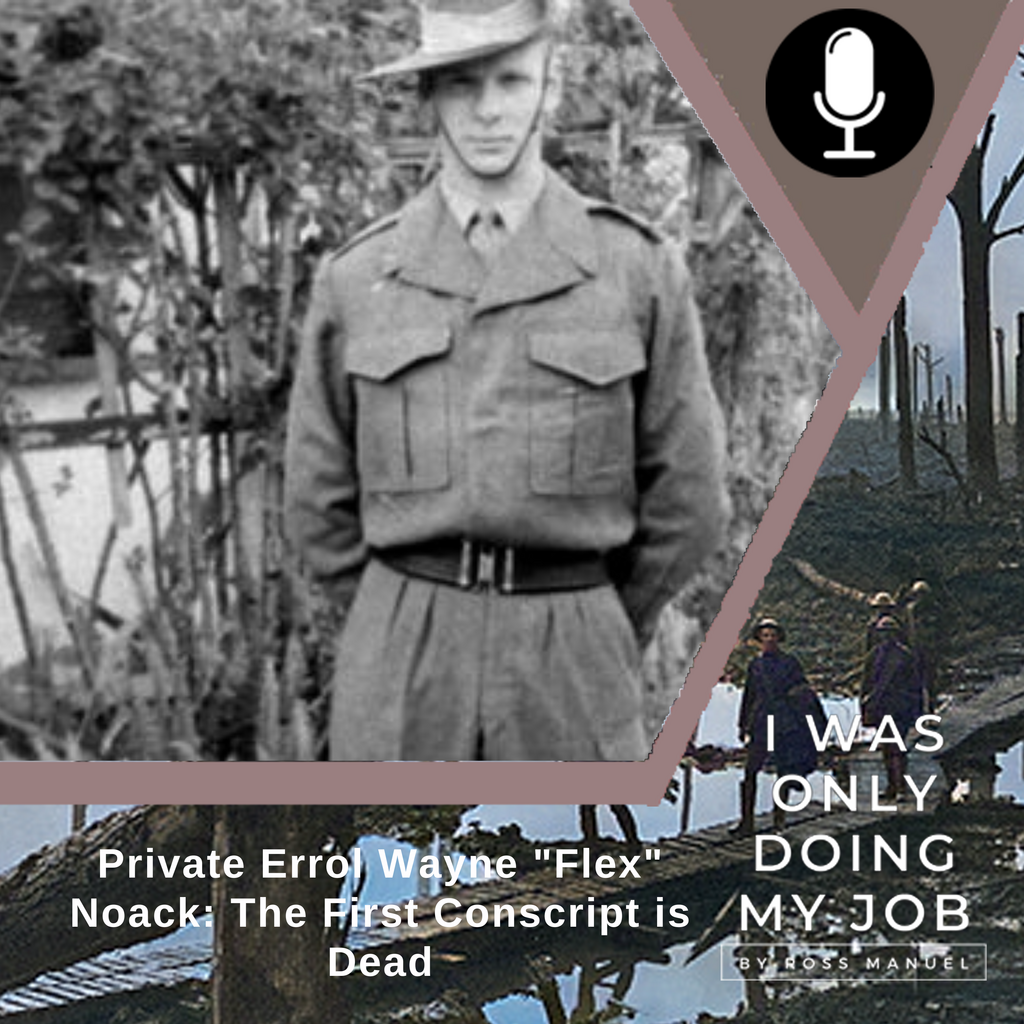
24-MAY-1966. While serving with B Company 5th Battalion Royal Australian Regiment, Australian Regular Army, National Serviceman Private Errol Wayne Noack served as a section machine gunner during the Vietnam War. He was killed during his first military operation two weeks after arriving in-country and would go into the history books as the first Australian National Serviceman killed in Vietnam.
His death would polarise Australian society about a war that was increasingly becoming unpopular, and his position as the first conscript killed in that war would serve as a rallying cry for those against mandatory military service.
Shownotes
Vietnam War
Read article
25 February 2022
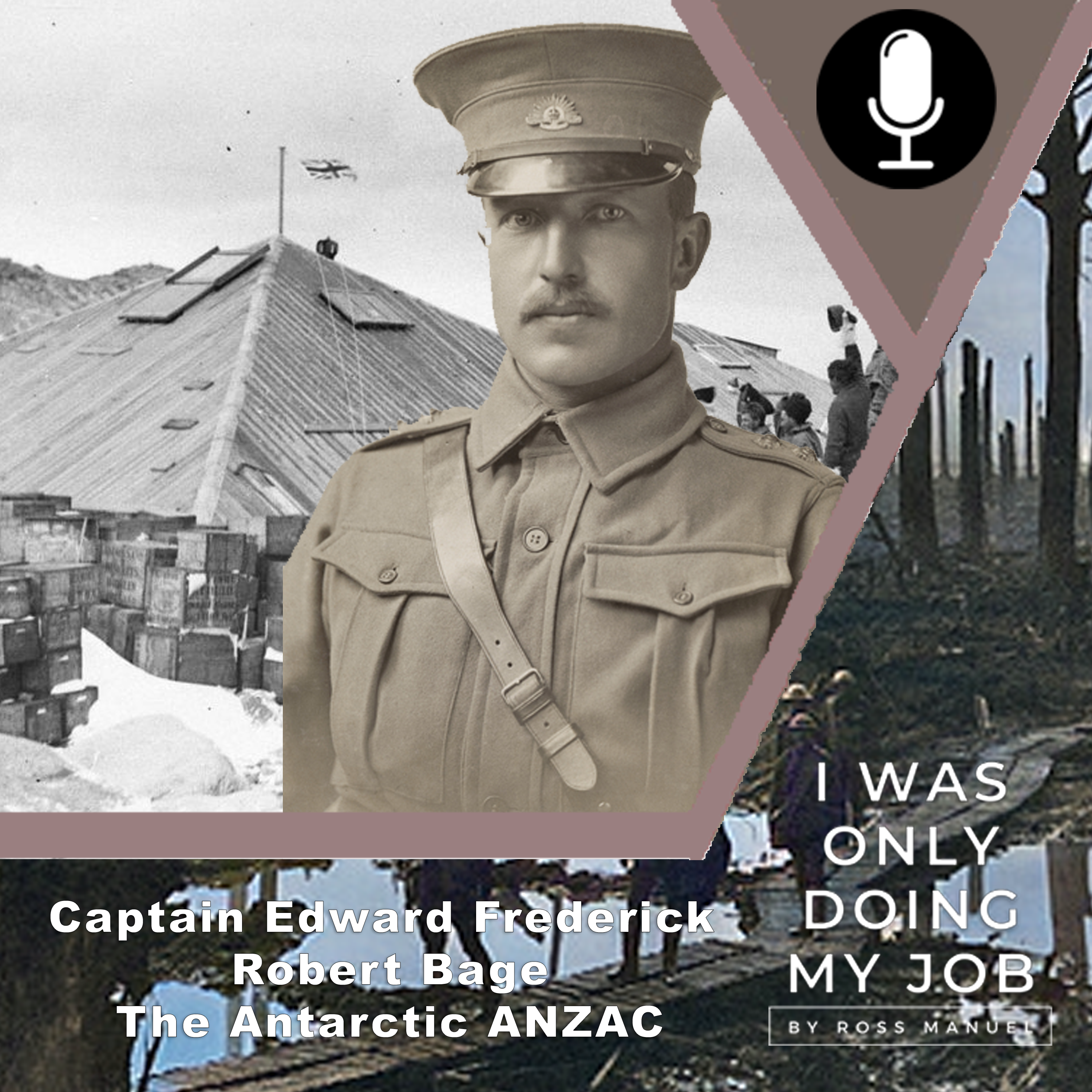
7-MAY-1915. While serving as an engineer with the 3rd Field Company Engineers, Australian Imperial Force,
Captain Edward Bage was instructed to map out new trench locations on Gallipoli, and as a result would be killed 14 days after landing on the Peninsula, but his legacy is not one of the battlefield,
but of Antarctic Exploration, when he spent two years mapping Antarctica alongside Sir Douglas Mawson
Shownotes
First World War
Read article

27 August 2021
<p>29-JULY-1918. While serving with the 29th Infantry Battalion, Australian Imperial Force, Private George Giles, participated in the attack on German positions at Morlancourt. After which, he was instructed to proceed to the headquarters of the 8th Brigade, and surrender his uniform and equipment to the Australian War Records Section. Photographs were taken, and he was issued new equipment. The intent being to ‘show how our men came out of the trenches’ to the public. Who was the man behind the most famous uniform in the collection of the Australian War Memorial? </p>
Shownotes
First World War
Read article
19 August 2021
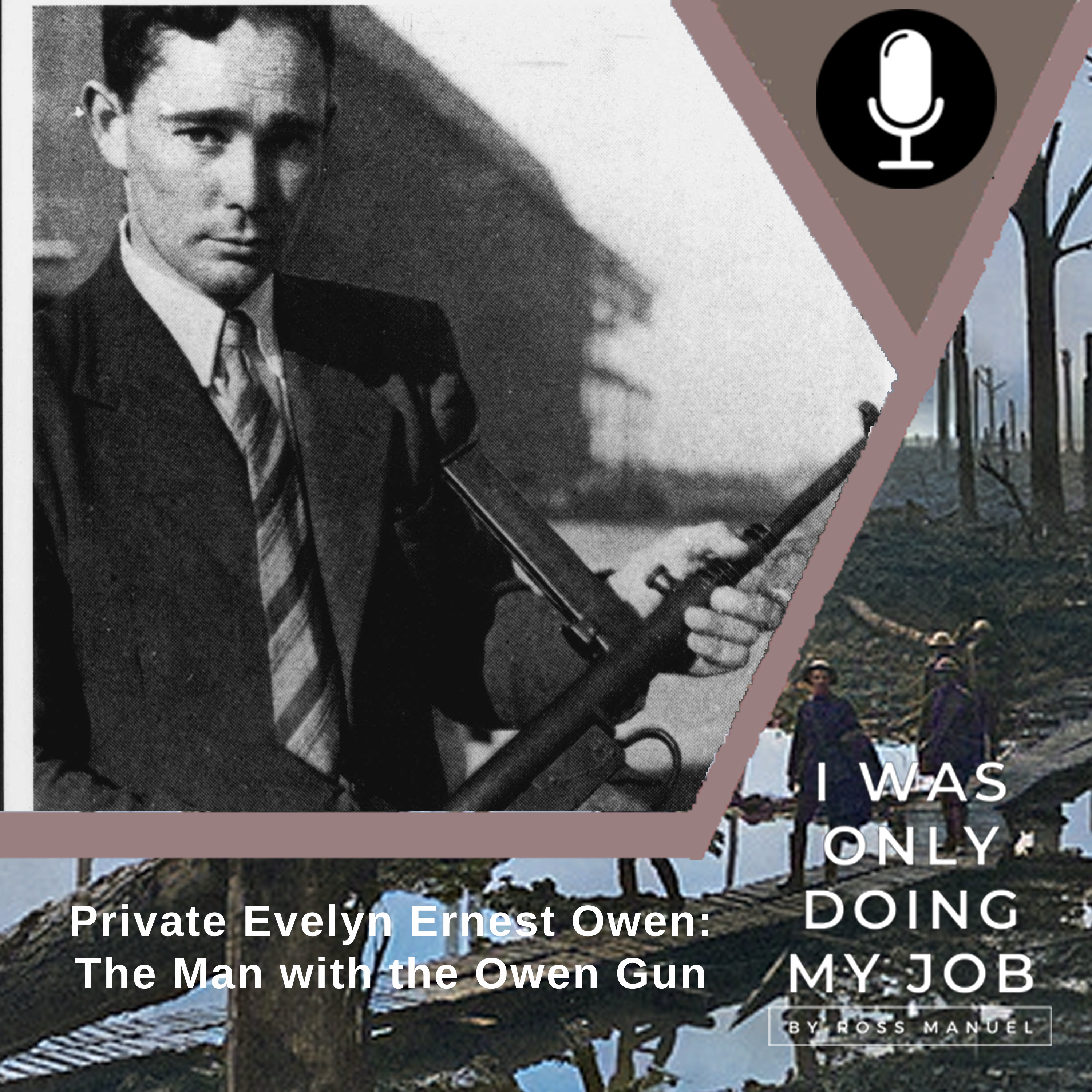
<p>25-MAY-1940. While only serving in the 2/17th Infantry Battalion Second Australian Imperial Force for a little over a month, Pte Evelyn Ernest Owen would contribute to the Australian War effort in the Second World War by inventing one of the weirdest, but most reliable machine carbines built during the Second World War, a weapon that would serve as part of the arsenal of the Australian Army for over twenty years, it would sadly outlive its creator, but cement itself in the pantheon of Australian small arms.</p>
Shownotes
Second World War
Read article
13 August 2021
CW: This episode does discuss suicide, viewer discretion is advised.
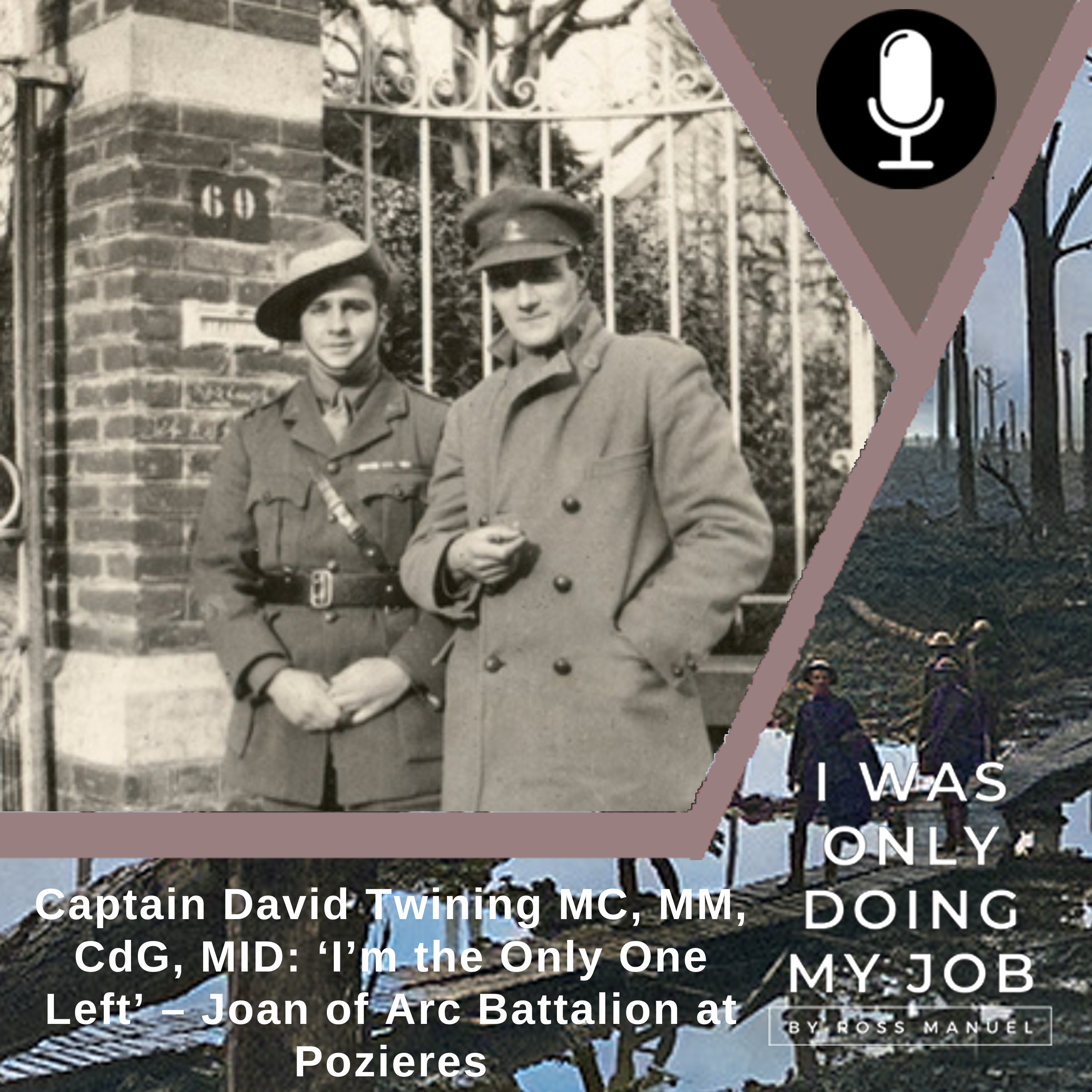
7-AUGUST-1916. Serving in the 48th Infantry Battalion, Australian Imperial Force, Sgt David Twining would participate in the Battle of Pozieres; during the second phase of the First Battle of the Somme. Following horrific German counter-attacks, a wounded man would enter the 48th Battalion Headquarters with a simple message: “I’m the only one left, do you still want me to hold this position?” That message came from David Twining, and would start a monumental military career that would span Australia’s involvement in the Great War on the Western Front, but would sadly end with Captain David Twining taking his own life in 1931. His most known act, the defence of the Windmill at Pozieres was immortalised in the Pozieres Diorama at the Australian War Memorial. Sadly, the diorama has become more well-known than the man depicted in it.
Shownotes
First World War
Read article
6 August 2021
CW: Sexual Assault- This episode contains a discussion of the murder of women and allegations of sexual assault in war. The sexual assault is isolated to the end of the episode, with a warning just prior. the discussion of the Bangka Island Massacre will begin from 5:16 to 8:06
Audio Re-recorded and uploaded 14/12/2021
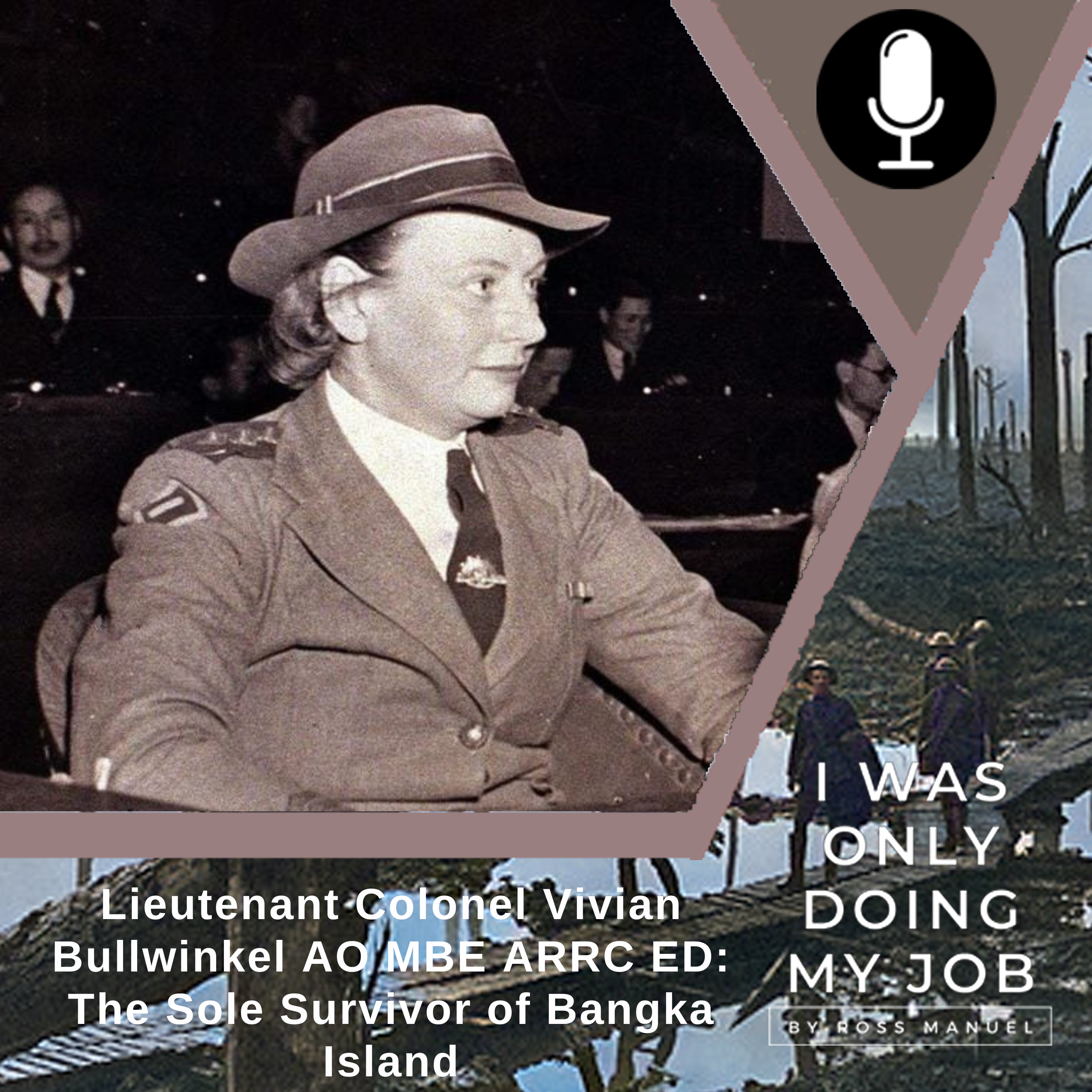
16-FEBRUARY-1942. Serving as a Staff Nurse in the 2/13th Australian General Hospital, Second Australian Imperial Force, Sister Vivian Bullwinkel would be the sole survivor of the Bangka Island Massacre at the hands of the Imperial Japanese Army. She would go on to be a Prisoner of War for three and a half years, but would never abandon her courage or resolve. Her career didn’t end in captivity, and she would go on to serve until 1947 when she would resume her nursing duties, up until the Vietnam War, when she would once again enter the battlespace to help the disadvantaged. She would receive honours and decorations for her service to the cause of nursing and would uphold those tenents until her death in 2000. She did more than just her job, and for that, we are immensely proud of her. To Donate to the Vivian Bullwinkel Project go here https://foundation.acn.edu.au/Foundation/Donate/The_Vivian_Bullwinkel_Project_2021.aspx
Shownotes
Second World War
Read article
30 July 2021
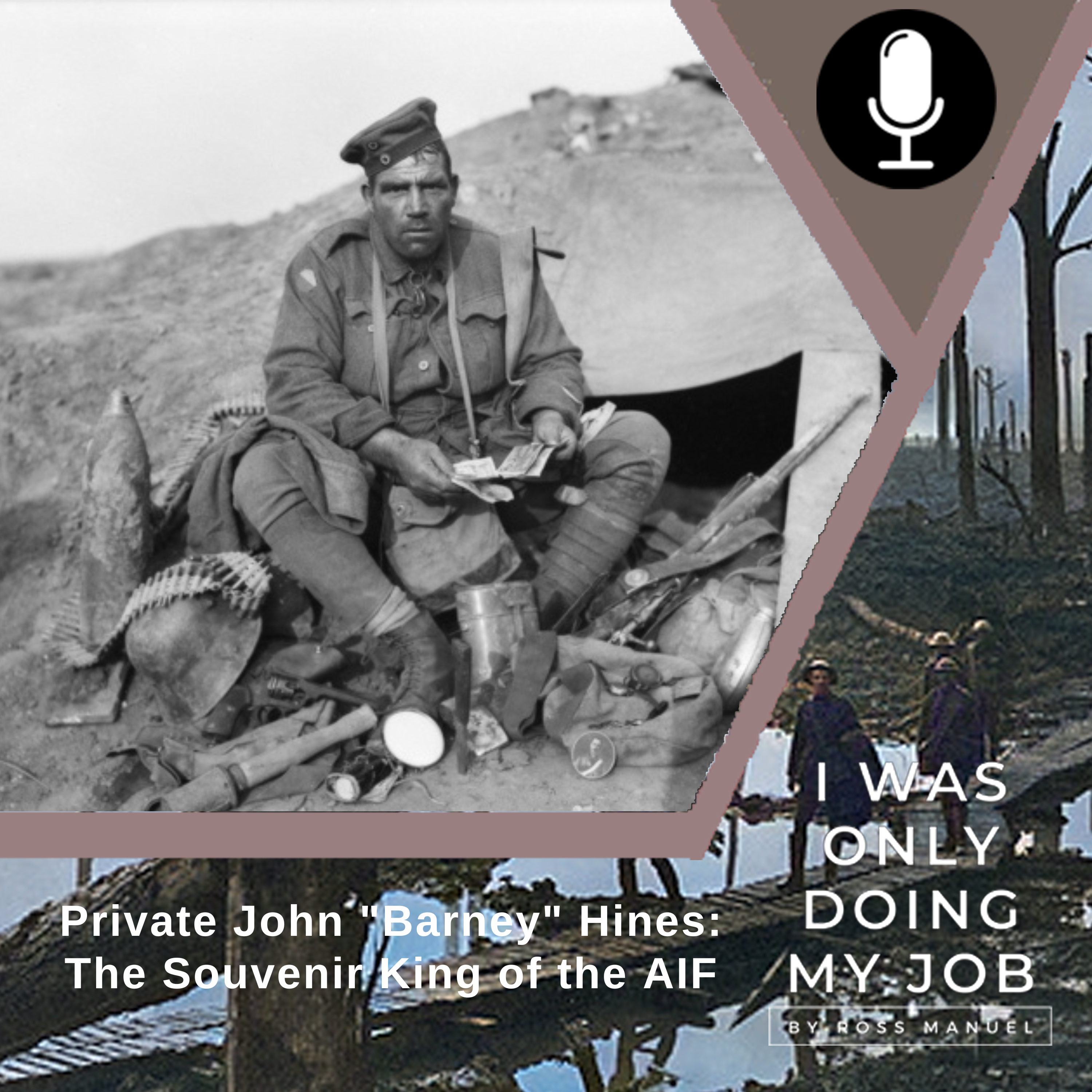
<p>This episode was re-recorded and re-uploaded on 7-10-2021</p><p>27-SEPTEMBER-1917. Serving in the 45th Infantry Battalion, Australian Imperial Force, The Souvenir King of the AIF. Pte John Hines, would participate in the Battle of Polygon Wood; during the second phase of the Third Battle of Ypres. it was during this battle where Frank Hurley, Australian War Photographer snapped arguably his most photo. He had a ferocity to him and a preference for using Mills Bombs over rifle and bayonet, but his number one hobby was the collection of German equipment off German soldiers, either dead, wounded or prisoners of war. This ferocity was mirrored by truly abhorrent behaviour which cost him over a hundred days in pay, weeks in detention and any chance of him receiving any awards or decorations. After the war, he faded to obscurity, his photo survived to the point where more people knew his face than his name.</p><p><br></p>
Shownotes
First World War
Read article
20 July 2021
This episode was re-recorded and re-uploaded on 29-9-2021
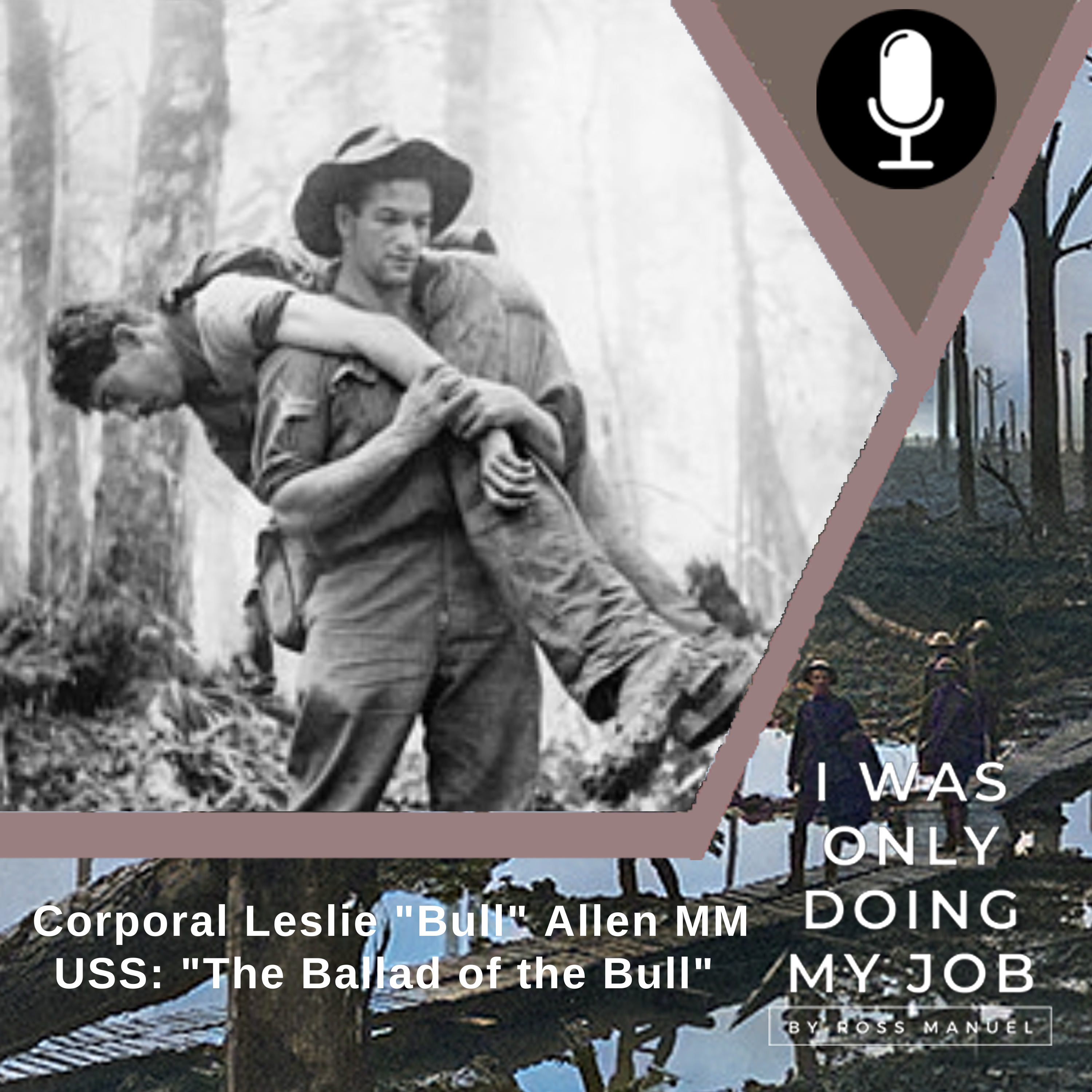
30-JULY-1943 Serving as a Stretcher Bearer in the 2/5th Infantry Battalion Second Australian Imperial Force, Cpl Leslie “Bull” Allen would participate in the Battle of Mount Tambu and assist forces of the 1st Battalion, 162nd Infantry Regiment, US Army. with casualties rising, and both US medics killed, Bull Allen would voluntarily walk into the battlespace and recover between ten and seventeen wounded American soldiers.
He would carry them one after another on his back, only stopping when he physically couldn’t continue, and for his actions, he would receive the United States Silver Star, the third-highest medal of Bravery, and the highest that could be awarded to a non-US citizen.
When asked about his gallant deeds during the Second World War, this Gentle Giant would simply say. “I was only doing my job.”
Shownotes
Second World War
Read article